← All Lists

Dystopian Nightmares — Fiction Too Close to Reality

The worlds that seemed impossible when they were written and keep becoming less impossible. Read them as warning, not as prophecy.

10 books 4.4 avg devastation fiction

This page contains affiliate links. If you buy a book through one of these links, we earn a small commission at no extra cost to you. Full disclosure →

The Handmaid's Tale

Margaret Atwood

Existential Dread

Atwood builds Gilead with a bureaucrat's attention to detail, and that precision is what makes it terrifying. Offred's resistance is mostly internal. Her compliance is not weakness but survival, and that distinction is the whole argument of the book. It was always fiction until it wasn't.

dystopian political trauma literary fiction survival
Nineteen Eighty-Four

George Orwell

Existential Dread

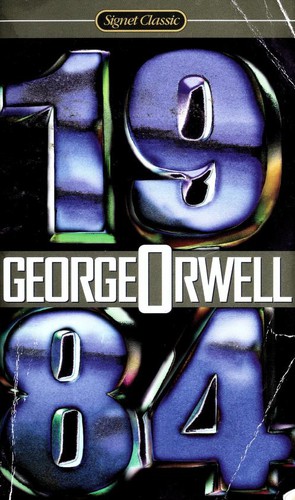
Orwell wrote the grammar of totalitarianism and we have been living inside it ever since. Room 101 breaks Winston not with violence but with the knowledge of what he would sacrifice to survive it. The love story makes the ending worse. It was always supposed to.

dystopian political love literary fiction philosophical

Brave New World

Aldous Huxley

Emotionally Ruined

Huxley's nightmare is not the boot on the face but the soma tablet willingly swallowed. A world designed for comfort, with suffering designed out along with meaning. John the Savage is destroyed not by the World State's cruelty but its indifference — and that may be the more accurate dystopia.

dystopian philosophical literary fiction political

The Children of Men

P.D. James

Existential Dread

The last generation is alive and watching itself age toward extinction with nowhere to go. James gives the apocalypse not fire but bureaucracy, despair, and the cruelty of a world that has stopped bothering to hope. Theo's transformation feels earned in the worst possible way.

dystopian philosophical survival literary fiction

We

Yevgeny Zamyatin

Emotionally Ruined

The original dystopia, and still perhaps the bleakest. D-503 is the system celebrating itself until desire arrives and ruins him. Zamyatin wrote this as a warning about the Soviet state before it had fully revealed itself, and that prescience makes it feel less like fiction and more like prophecy.

dystopian political love philosophical literary fiction

Lord of the Flies

William Golding

Emotionally Ruined

The children do exactly what the adults do, and that is the whole damning argument. Golding watches civilization dissolve with the patience of a man who believes it was always going to. Simon's death is the pivot on which the novel turns — the murder of innocence by boys who are still, technically, innocent.

dystopian trauma philosophical literary fiction survival

American War

Omar El Akkad

Existential Dread

America at war with itself in the near future, told through Sarat Chestnut who is shaped by every act of violence done to her and does worse in return. El Akkad writes the cycle of trauma and radicalisation with a journalist's precision. The horror is the familiarity.

war political dystopian trauma survival literary fiction

The Dispossessed

Ursula K. Le Guin

Ugly Crying

A physicist from an anarchist moon visits the capitalist planet it orbits, and Le Guin uses the journey to dismantle both systems with equal rigour. Shevek's idealism is tested and not wholly broken, but the novel is honest about what utopias cost and who pays.

philosophical political dystopian literary fiction

The Trial

Franz Kafka

Existential Dread

Josef K. is accused of an unspecified crime and the machinery of justice processes him without ever explaining itself. Kafka makes bureaucracy feel like theology — all-powerful, incomprehensible, fatal. The most accurate fictional account of how power actually works, written a century before it became undeniable.

philosophical literary fiction injustice dystopian

The Giver

Lois Lowry

Emotionally Ruined

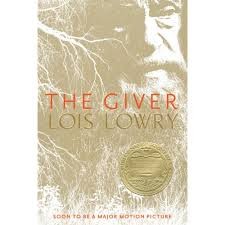
A perfect society that achieves perfection through erasure. Lowry wrote this for children and somehow that makes it worse. Jonas discovers colour, pain, love — and the cost of knowing what everyone else has been spared. The ending is ambiguous and that ambiguity is the cruelest part.

dystopian loss literary fiction philosophical

Monthly Tragic Picks

One email a month. Hand-picked books guaranteed to wreck you emotionally. No spam, no filler.